Budget Travel·Daniel Okafor·
Travel Insurance Claims 2026: What Actually Gets Paid
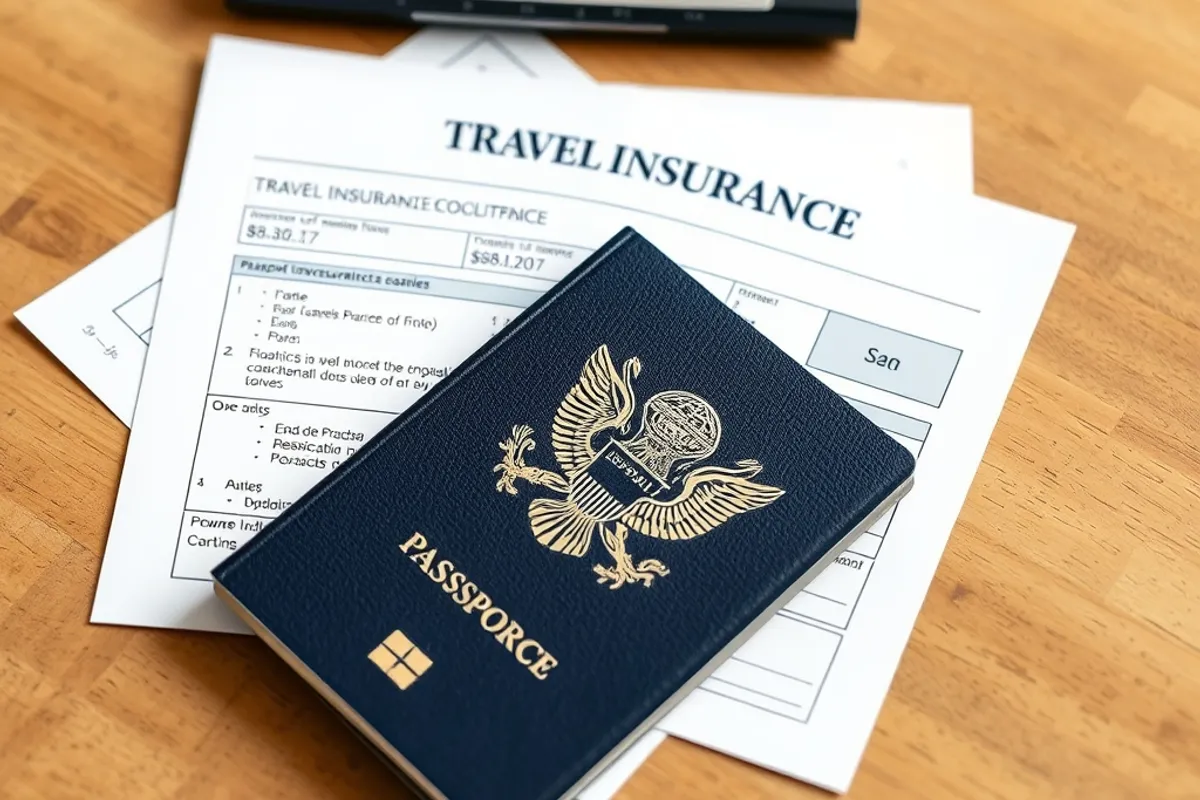
Most insurance complaints are not about fraud. They are about people who never read the exclusions until the day they needed them.
Key facts
- The cheapest policy is usually cheap because of what it excludes, not what it covers.
- Pre-existing conditions are the most common reason for a denied medical claim.
- Keep every receipt, report and boarding pass; a claim without documents is a claim denied.
- Adventure sports need a specific rider, even if the activity feels ordinary.
Why claims fail
A travel insurance policy is a contract, and the claim is decided on the words in that contract. The most common failures are not dramatic. A pre-existing condition was not declared. A delay was not long enough to trigger the benefit. A receipt was lost. The activity was excluded.
Insurers are not charities, but they are also not looking for reasons to refuse a clean claim. The problem is that most travellers buy on price and read the summary, not the exclusions. Ten minutes with the policy document before you buy saves hours of argument later.
Read the exclusions first
Start with the exclusions, not the benefits. Look for pre-existing conditions, adventure sports, alcohol-related incidents, pregnancy, mental health, and claims caused by not following local laws. These are where the money is lost.
If you have a medical condition, declare it and get written confirmation that it is covered. If you plan to hike, dive or ride a scooter, check whether the policy treats those as standard or requires a rider. A scooter accident without a licence is almost always excluded.
Documents that decide a claim
Every claim is a file. The insurer wants proof of the loss, proof of the cost and proof that the event happened. For medical claims, that means receipts, diagnosis, treatment notes and proof of payment. For delays, it means the airline's written confirmation and your original booking.
Photograph everything as it happens: the damaged bag, the cancelled flight board, the police report, the medical receipt. Keep digital and paper copies. If you are hospitalized, ask a companion to collect the paperwork while you are being treated.
The claim you file is only as strong as the paperwork you kept. Start the file before you need it.
Medical and evacuation cover
Medical cover is the reason to buy travel insurance. A serious illness or accident abroad can cost more than a house. Check the medical limit, the emergency evacuation limit and whether the policy pays the hospital directly or reimburses you later.
Evacuation is not the same as treatment. A policy can have a high medical limit and a low evacuation limit, which leaves you stuck if you need to be moved to another country. Check both, and check the emergency phone number works before you travel.


Trip interruption and baggage
Trip interruption covers the cost of cutting a trip short or extending it because of a covered event. Read the triggers carefully: a missed connection is not always covered, and a strike is not always an emergency. Baggage cover is usually capped per item, so a laptop may need separate cover.
For expensive electronics, check your home insurance or a specialist policy. Travel policies often exclude cash, jewellery and business equipment, or cap them at a level that will not replace what you lost.
How to file a claim
File as soon as you can, ideally before you leave the country. Call the emergency line if the claim is medical, and follow their instructions. Keep a record of every call: date, time, the name of the person and what they told you.
Submit the claim with a cover letter that lists the documents in order. Be factual and concise. If the insurer asks for more information, respond within the deadline and keep a copy of everything you send.
What to buy in 2026
- A policy with a high medical and evacuation limit, not just a low premium.
- Pre-existing conditions declared in writing, with a confirmation email.
- Adventure sports cover if you plan to hike, dive or ride a scooter.
- A 24-hour emergency number you have tested before departure.
Buy the policy when you book the trip, not the week before you fly. Cancellation cover only works if the event happens after you buy it. And if you are travelling with family, check whether children are covered free or need their own policy.
For packing that reduces the risks in the first place, read our carry-on cold weather guide, or browse the Budget Travel section. III publishes plain-language explanations of insurance terms and exclusions.
- Declare pre-existing conditions and keep the confirmation.
- Photograph every loss and keep every receipt.
- Check both the medical and evacuation limits.
Written by Daniel Okafor for Kirktwardy. Tips or corrections? Email [email protected].