Budget Travel·Sofia Reyes·
Carry-On Packing for Cold Weather 2026: A Full Guide
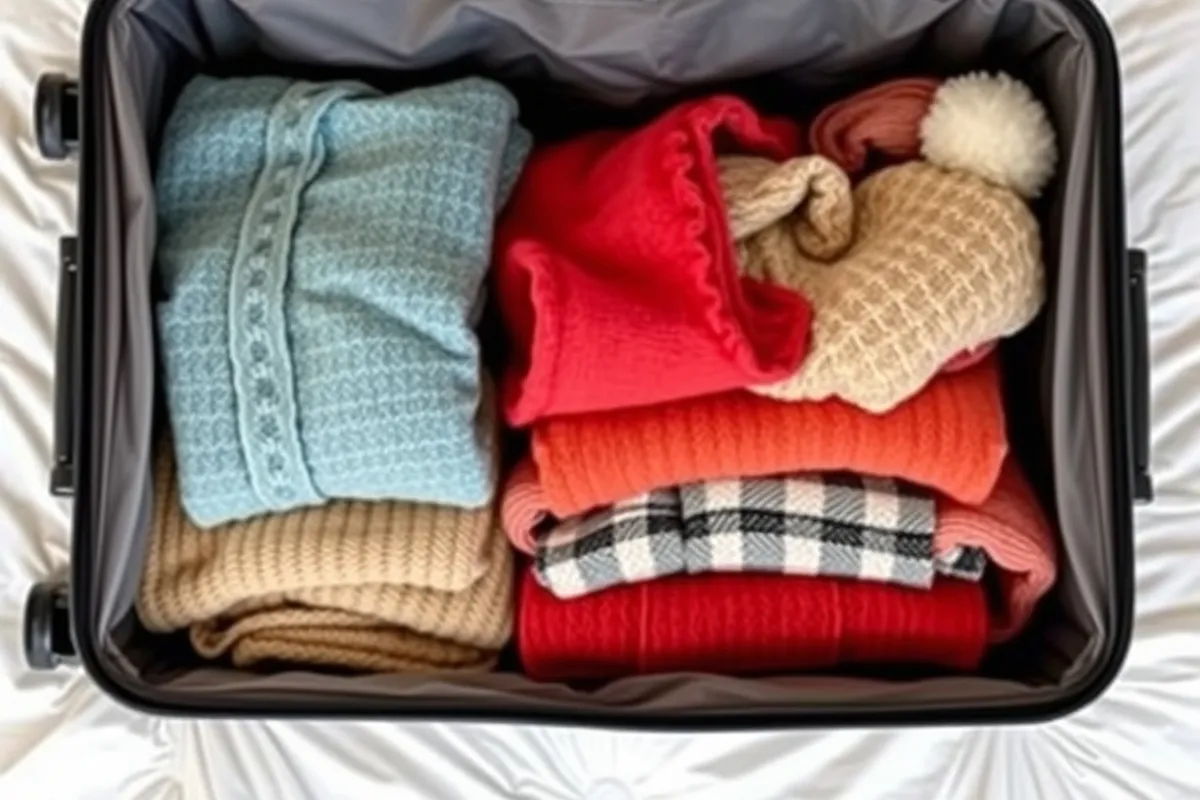
Cold-weather packing is not about more clothes. It is about the right layers, the right fabrics and a bag you can carry up a flight of stairs.
Key facts
- Three thin layers beat one thick coat in almost every winter city.
- Merino wool can be worn several times between washes; cotton cannot.
- Waterproof shoes matter more than a second pair of jeans.
- A 40-litre carry-on is enough for a week if you pack around two base layers.
Start with the layer system
Cold weather is a layering problem, not a volume problem. Build three layers: a base layer that moves sweat away from your skin, a mid layer that traps warmth, and a shell that blocks wind and rain. Each layer should work with the others, and each should be thin enough to pack.
The base layer is the one people skip. A merino or synthetic base layer lets you wear the same sweater for days without smell, and it keeps you warm when you stop moving. Cotton holds moisture and chills you; leave it at home.
The one-bag rule
A 40-litre carry-on is the sweet spot for a week in a cold city. It fits in the overhead bin, it forces choices, and it leaves room for a small day bag. If you need more than that, you are packing for a different trip.
Wear your bulkiest items on travel days: the coat, the boots and the warmest sweater. This is not cheating; it is how the bag stays small. Just make sure the coat can be removed comfortably on a warm plane.
Fabrics that earn their weight
- Merino wool: warm, odour-resistant and quick to dry.
- Fleece: light, cheap and good as a mid layer, but bulky.
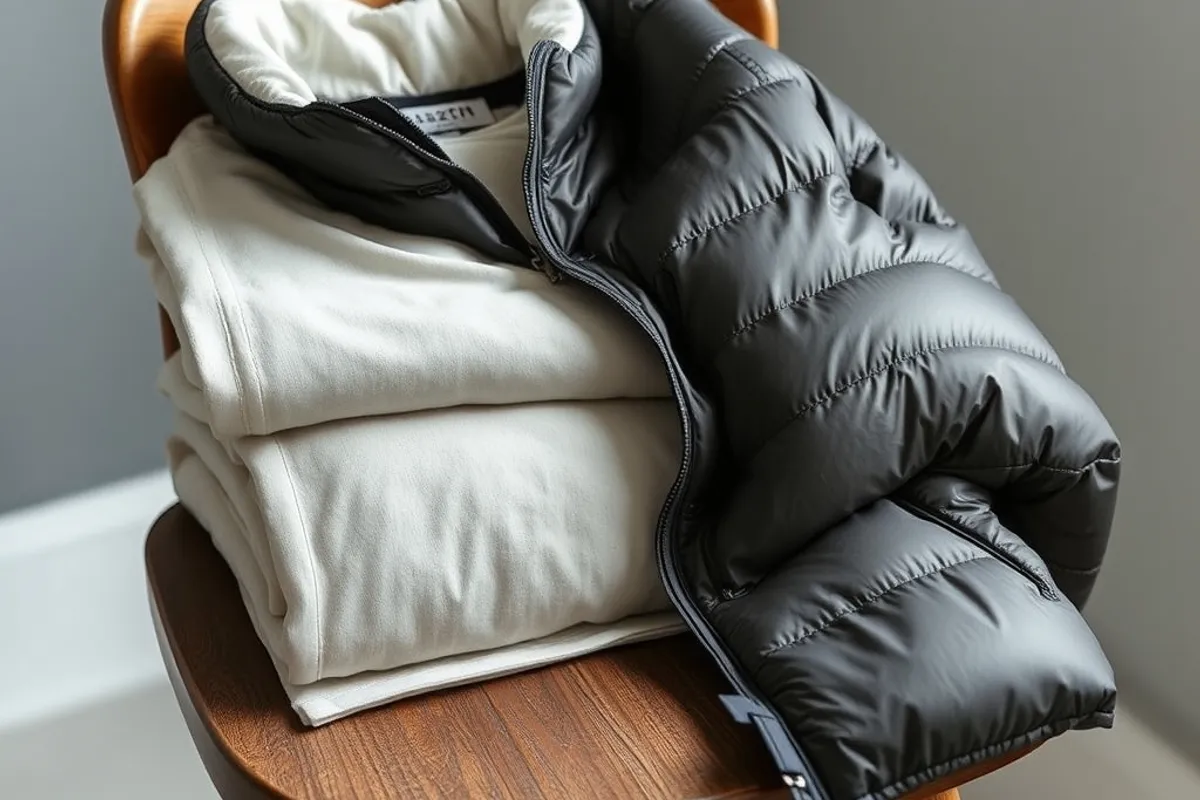
- Down: the best warmth-to-weight ratio, but useless when wet unless treated.
- Synthetic insulation: warmer when damp and easier to wash than down.
- Softshell: wind and light rain, more breathable than a hard shell.
Avoid heavy cotton jeans in winter. They take a day to dry and hold cold when damp. A single pair of travel trousers with a synthetic blend is more practical, and it can be worn to dinner.
Pack for the coldest hour of the trip, not the average temperature. The evening walk back to the hotel is what you remember.
Shoes and feet
One pair of waterproof walking shoes and one pair of lighter shoes is enough. Boots are not automatically better; a stiff boot you have not broken in is a blister waiting to happen. Choose shoes with a grippy sole for wet cobblestones and a little room for thick socks.
Bring two pairs of wool socks, not five pairs of cotton. Wool dries overnight and stays warm when damp. If your feet get cold, the problem is usually the socks and the shoes, not the temperature.

Toiletries and small kit
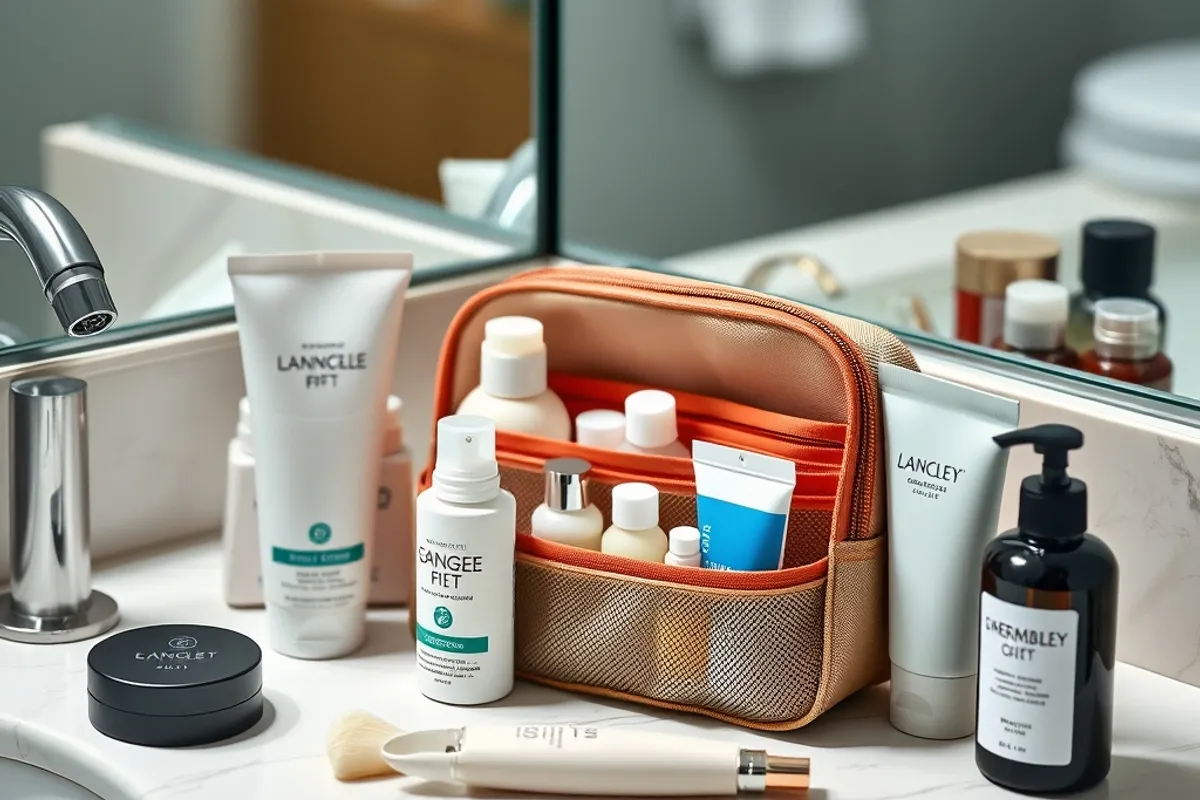
Decant toiletries into small bottles and keep the kit under 100ml per container for carry-on. Solid shampoo and soap save space and never leak. A small repair kit with a needle, thread, safety pin and a few zip ties has saved more trips than any gadget.
Pack a compact power bank, a universal adapter and a short charging cable. Cold drains batteries faster, so keep the phone close to your body in freezing weather. A lightweight dry bag protects electronics from snow and rain.
Packing order
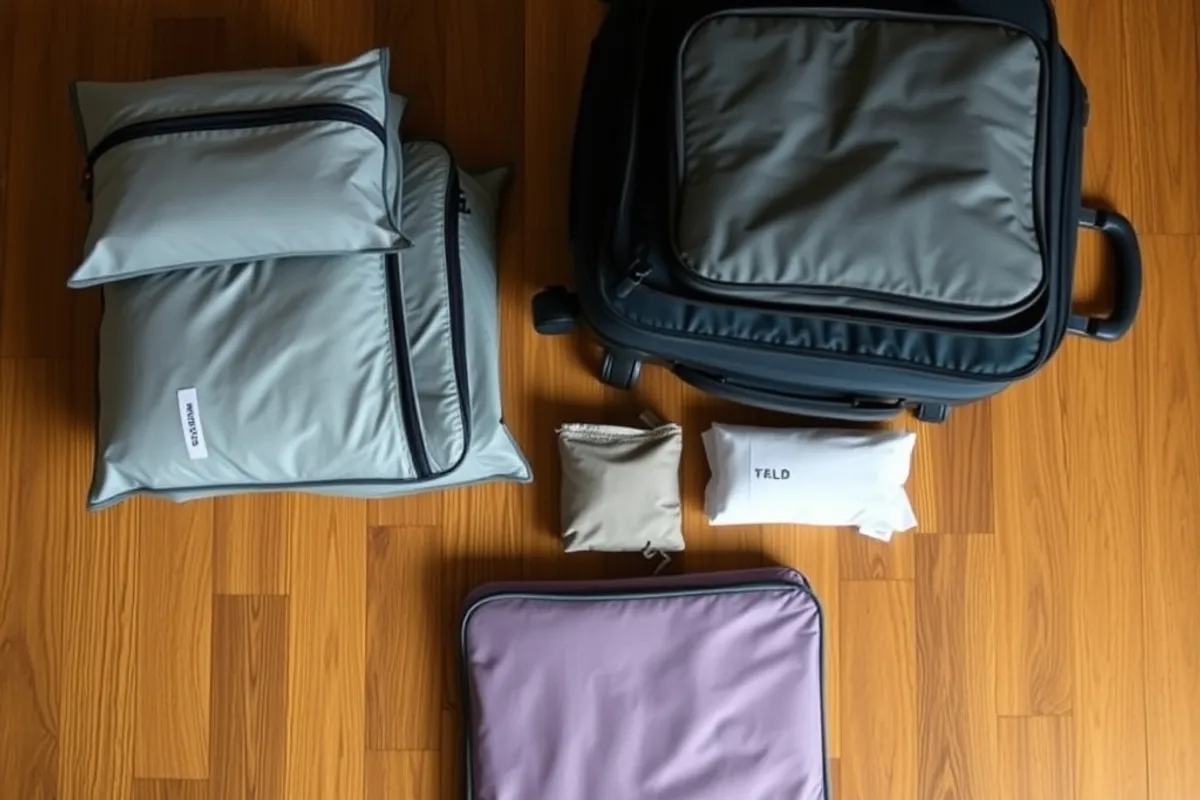
Put the heaviest items at the bottom of the bag, near the wheels, and the soft items around them. Use packing cubes for base layers and socks, and leave the shell and the down jacket on top for easy access. Roll clothes rather than folding them if space is tight.
Keep a small pouch for the things you need on the plane: passport, phone, charger, lip balm and a light scarf. The scarf doubles as a blanket and a pillow. Wear the bulkiest shoes and carry the coat.
Test pack before you fly
Do a full test pack a week before the trip, then walk around the block with the bag. If it is uncomfortable empty, it will be worse full. Weigh it; many airlines enforce 7 to 10 kilograms for carry-on, and a winter coat can eat a third of that.
Wash the base layers before you go and check the seams on the shell. A small tear at the start of a trip becomes a wet day later. Pack a repair patch, not a spare jacket.
For the paperwork side of winter travel, read our travel insurance claims guide, or browse the Budget Travel section. TSA publishes current carry-on rules and liquid limits for US departures.
- Pack three thin layers, not one thick coat.
- Take two pairs of wool socks and one waterproof shoe.
- Test pack and weigh the bag before you leave.
Written by Sofia Reyes for Kirktwardy. Tips or corrections? Email [email protected].