Hotel Review·Daniel Okafor·
Ryokan Stays in Japan: A First-Timer's Honest Guide
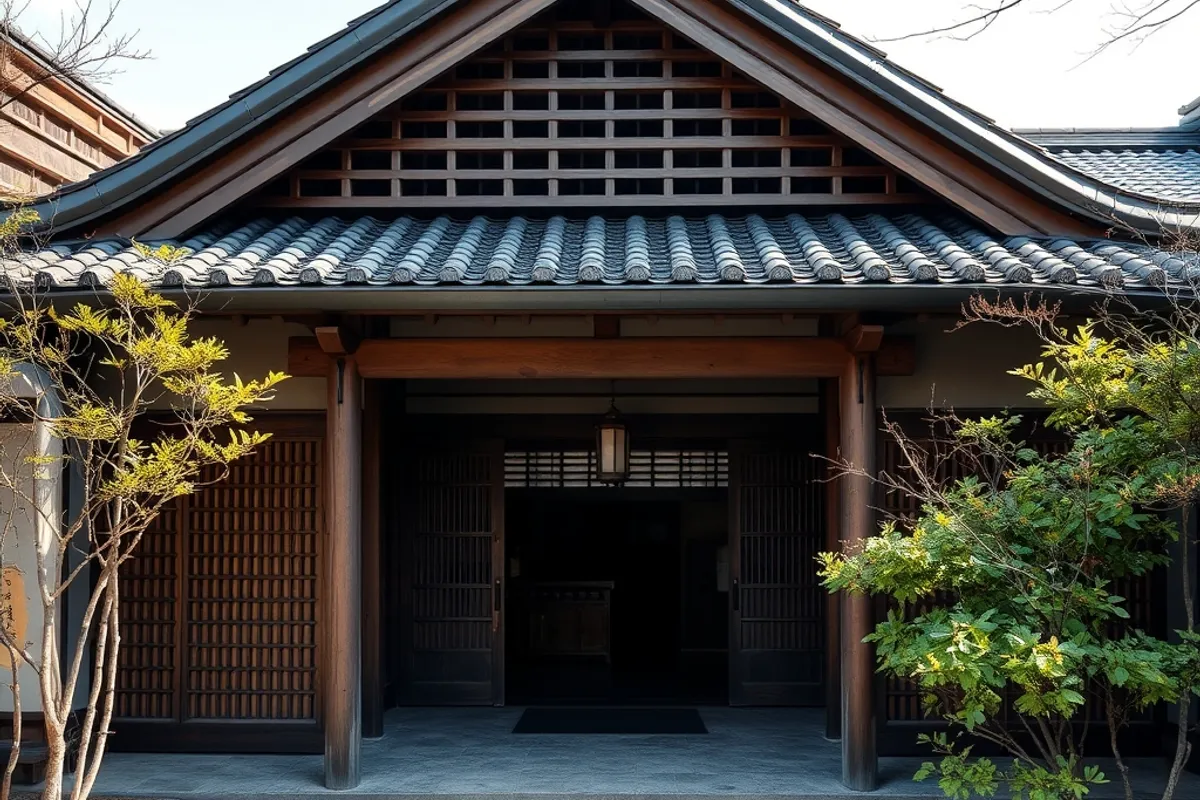
A ryokan is not a hotel with a futon. It is a schedule, a meal and a bath, sold as one package. Understand the rhythm before you book and the price starts to make sense.
Key facts
- Most ryokan quote a per-person rate that includes dinner and breakfast.
- Tattoos, loud voices and shoes are the three fastest ways to upset the house rules.
- A private open-air bath can double the room rate; a shared one is often just as good.
- Two nights is usually better value than one because arrival day is mostly dinner and bath.
What a ryokan actually is
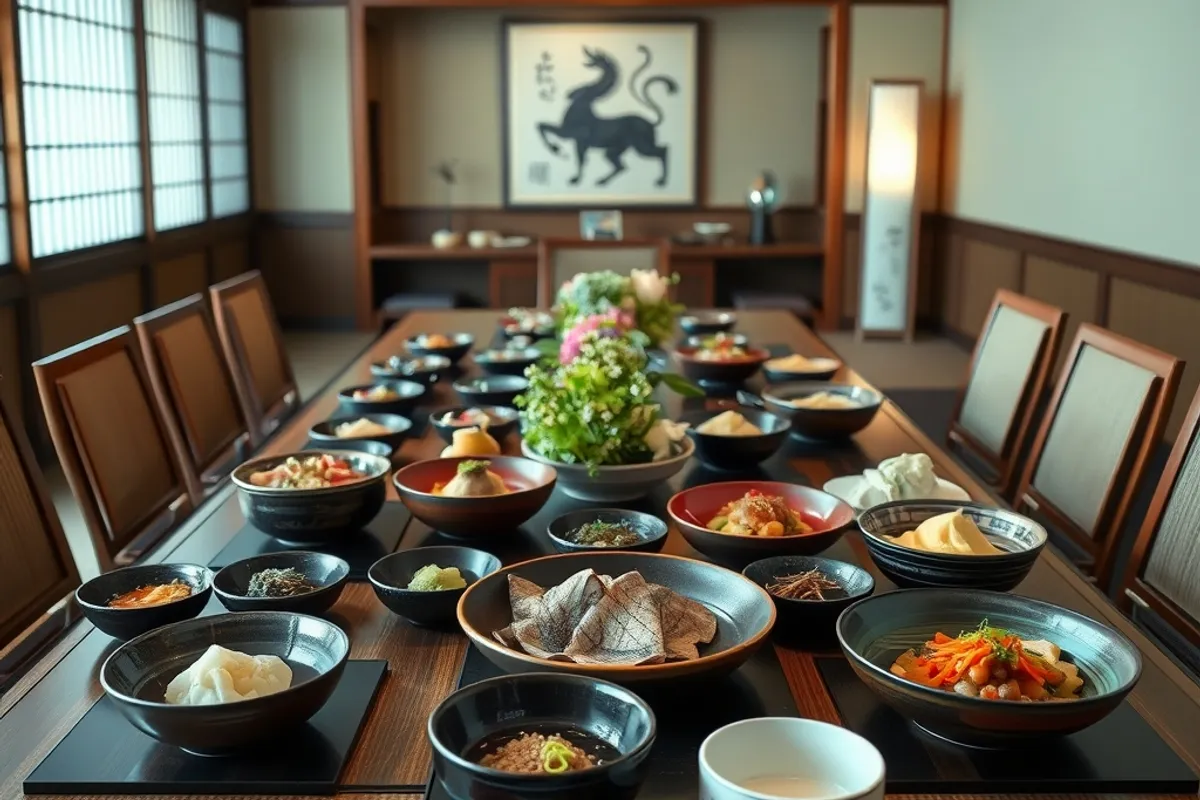
A ryokan is a traditional Japanese inn, but the word covers everything from a family house with three rooms to a luxury property with a private garden and a kaiseki kitchen. The common thread is service: someone lays out your futon, serves dinner in your room or a private dining room, and explains the bath.
It is not a cheaper alternative to a hotel. It is a different product. You are paying for time, space and attention, and the bill reflects that. Once you accept the format, the experience is one of the most distinctive in travel.
The price, unpacked
Most ryokan quote per person, not per room, and include dinner and breakfast. That makes a 30,000 yen night look expensive until you subtract two meals and a bath. A city hotel with a comparable dinner would not be far off.
The variables are room size, private bath, garden view and meal tier. A shared bath and a standard kaiseki can cost half of a private open-air bath with a premium menu. Ask for the meal tier in writing; it is the line most often misunderstood.
Dinner and breakfast
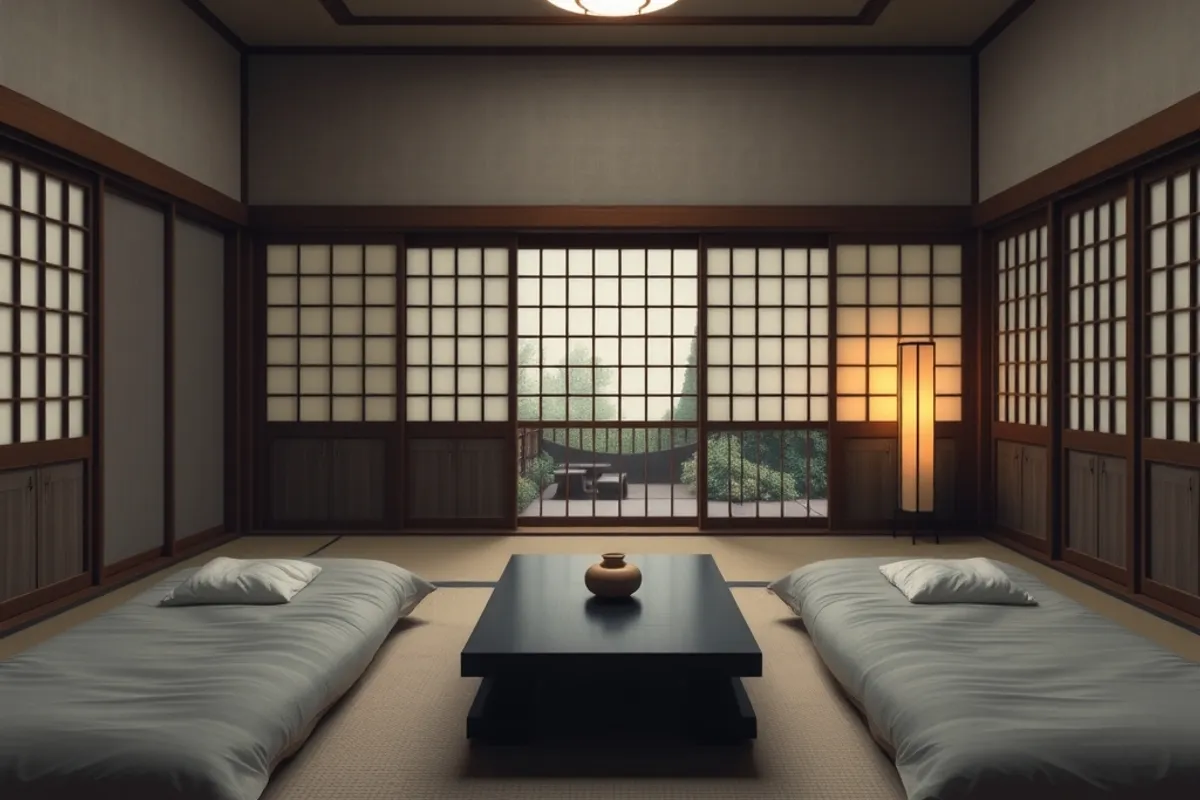
Dinner is the main event. A kaiseki menu arrives in courses, often eight to twelve small plates, and it is paced. Tell the ryokan about allergies or dislikes when you book, not when you sit down. Vegetarian requests are usually possible with notice and difficult without it.
Breakfast is simpler but still generous: grilled fish, rice, miso soup, pickles and tea. If you are leaving early for a train, ask whether they can pack something. Many will, but only if you ask the night before.
The ryokan is not rushing you. The schedule is the luxury. Dinner at six, bath at eight, sleep on the floor, and nothing to check.
Baths and etiquette
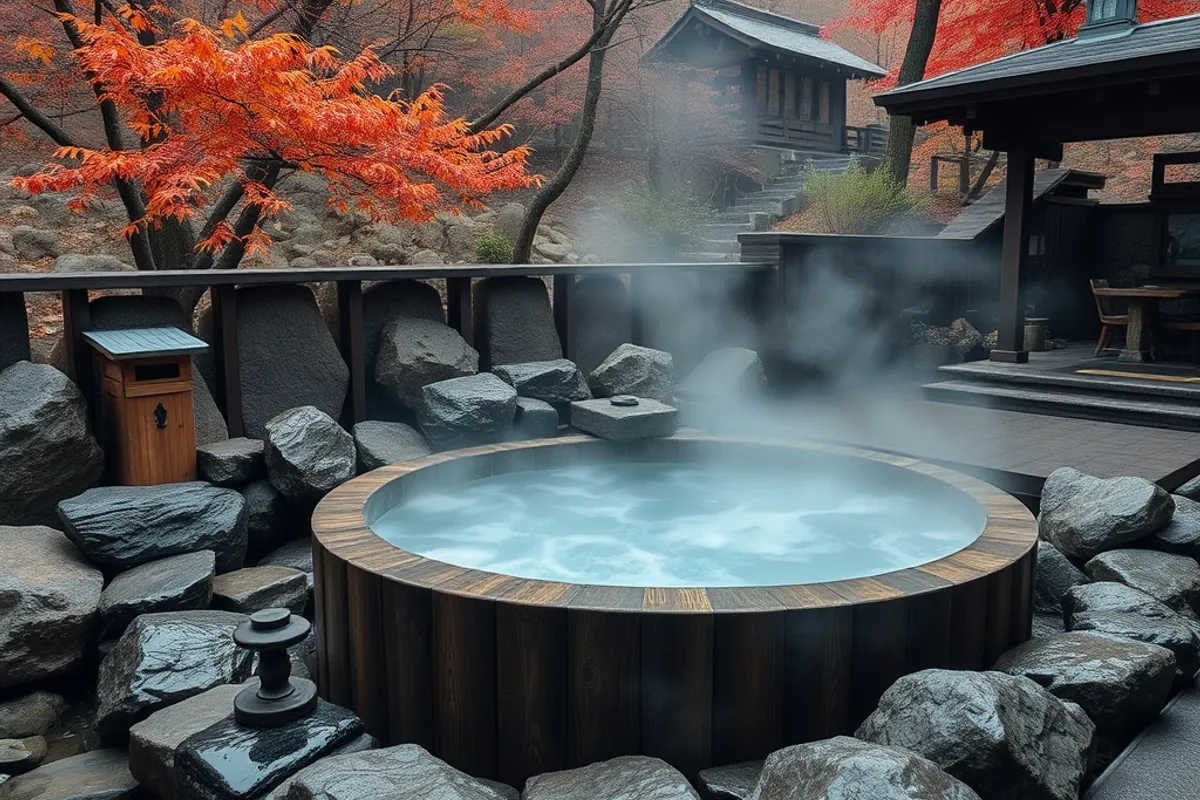
The bath is the heart of the stay. Wash and rinse completely before entering, keep your hair out of the water, and do not put towels in the tub. Shoes come off at the entrance. Voices drop in corridors. These are not arbitrary rules; they are how the house stays calm.
Tattoos remain a sensitive subject at some traditional baths. If you have visible tattoos, ask before booking and look for a private bath. Policies vary, and a polite question in advance saves an awkward moment at the door.
Choosing a town and a room
The classic ryokan experience is easier outside the big cities. Hakone, Kinosaki, Kurokawa and the hot spring towns around Kyoto all have properties that cater to first-timers without feeling like a theme park. Tokyo and Osaka have ryokan too, but the pace is different and the baths are smaller.
Choose a room with a view if the garden or river is the point. Choose a private bath only if you value privacy over price. Choose a meal tier you can finish; an eleven-course dinner is a lot of food after a day of travel.
Five ryokan types worth knowing
- The family-run inn: three to eight rooms, shared bath, the most personal service.
- The hot spring resort: larger, multiple baths, buffet dinner, good for families.
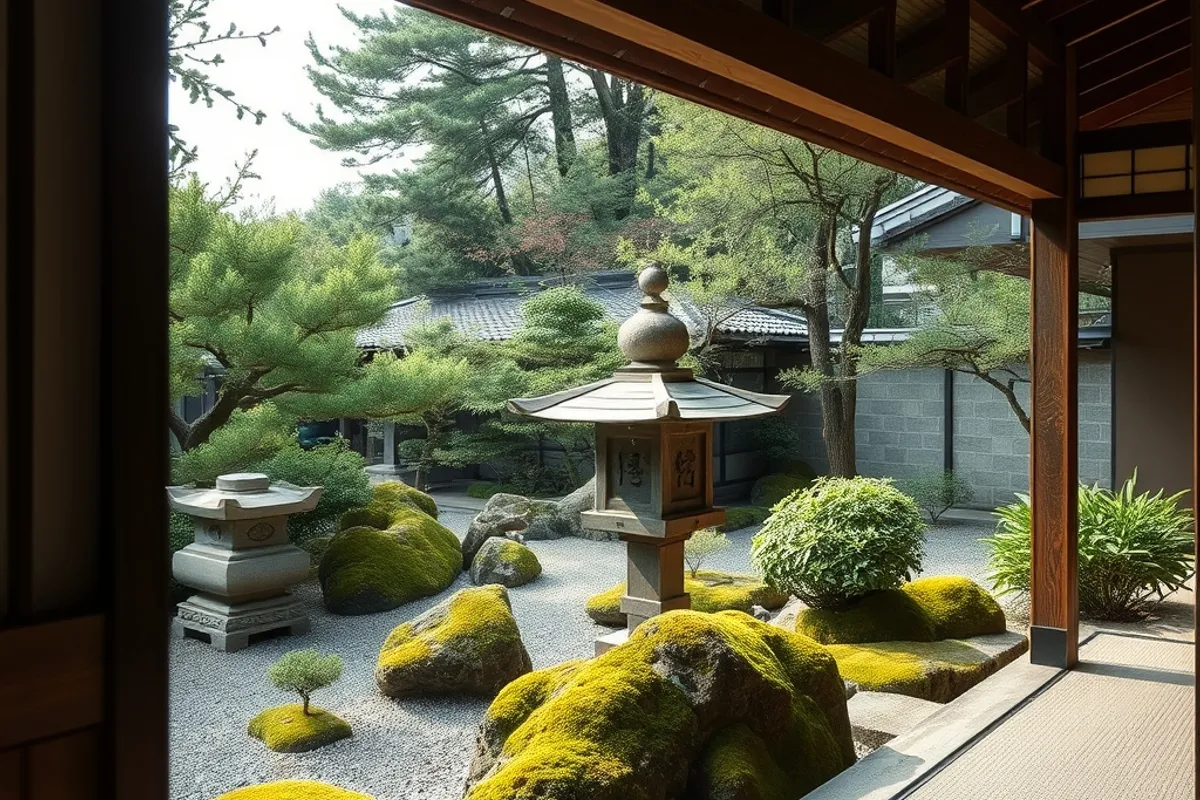
- The garden ryokan: quiet, expensive, built around a view and a tea room.
- The city ryokan: convenient, smaller baths, a good first taste without a detour.
- The luxury retreat: private baths, in-room dining, a price to match.
Booking and what to ask
Book direct when you can. The owner will answer questions about meals, baths and transport, and direct bookings often get a better room assignment. Ask four things: meal time, bath hours, tattoo policy and whether the room has a private toilet.
Arrive by mid-afternoon. The check-in window is built around dinner, and a late arrival compresses the whole experience. Send your luggage ahead if you are travelling by train; most ryokan will accept it.
If you want a city base before or after, see our guide to design hotels in Copenhagen for a very different approach to a room, or browse the Luxury Hotel section. JNTO publishes an official list of ryokan and onsen regions with English booking notes.
- Book per person and confirm the meal tier in writing.
- Ask about tattoos and private baths before you pay.
- Arrive early and send luggage ahead by train.
Written by Daniel Okafor for Kirktwardy. Tips or corrections? Email [email protected].